+91 89397 76492
Book Visit
Gentle, child-friendly dental care that builds positive habits early — trusted by families across Kudavasal, Nannilam, Koradacheri and Thiruvarur.
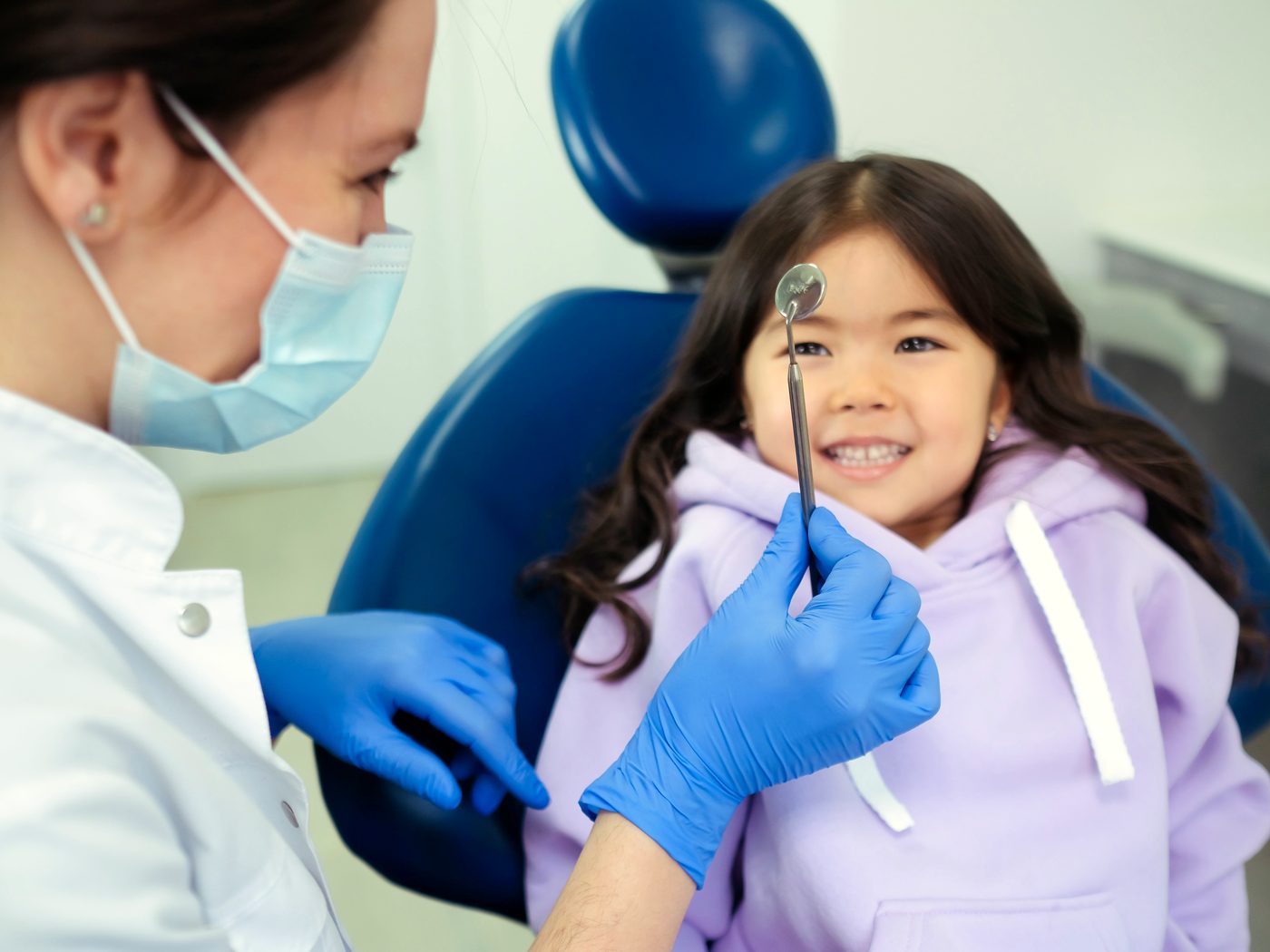
Pediatric dentistry focuses on the oral health of infants, children and teenagers, from their very first tooth through the transition to adult dental care. It covers everything from routine check-ups and preventive treatments to fillings and guidance on healthy habits — all delivered in a calmer, more patient way suited to younger patients.
Healthy baby teeth hold the correct spacing for permanent teeth underneath.
Baby teeth play an active role in how children learn to speak and eat properly.
Positive first experiences shape how comfortable a child feels about dental care as an adult.
Early check-ups catch cavities and bite issues before they become bigger, costlier problems.
Regular preventive care means fewer surprise toothaches and last-minute emergency visits.
A gentle early introduction to the dentist reduces anxiety at every future visit.
We recommend a first visit around your child's first birthday, or as soon as their first tooth appears. The visit is kept short, relaxed and reassuring — we count teeth, check for early signs of decay, and talk you through simple habits at home. There's no drilling or pressure involved; the goal is simply a calm, positive first impression of the dentist.
Regular visits to monitor growth and catch issues early.
A protective boost that strengthens developing tooth enamel.
A protective coating on molars, where most childhood cavities begin.
Age-appropriate brushing and flossing guidance for parent and child.
Gentle, tooth-coloured fillings to treat decay in baby or permanent teeth.
Small appliances that hold space open if a baby tooth is lost too early.
A child-friendly version of root canal treatment for an infected baby tooth.
Removal of a baby tooth when it cannot be saved, done as gently as possible.
Guidance on thumb-sucking, pacifier use and other habits affecting the bite.
Checking bite and jaw development to flag issues before they progress.
Use a soft, small brush and a rice-grain-sized smear of fluoride toothpaste.
Most children need help to brush thoroughly until then.
Especially between meals, when teeth have less chance to recover.
Prolonged contact with sugary liquids overnight raises cavity risk.
Children pick up brushing and flossing habits by watching parents.
Consistency matters more than any single visit.
We take the time needed for nervous children to feel comfortable, never rushing a visit.
We explain what's needed in simple terms, for both you and your child to understand.
Located on LF Main Road, Kudavasal — convenient for families from Nachiyar Koil, Thirucherai and Needamangalam.
9:00 AM – 9:00 PM, seven days a week, so appointments fit around school and family life.
Cost depends on the treatment your child needs, from a routine check-up to a filling or sealant. We examine them first and share a clear, itemized cost with you before anything begins.
We recommend a first visit by the time your child’s first tooth appears, or by their first birthday at the latest. Early visits let us catch problems before they start and help your child grow comfortable with the clinic.
We keep first visits short, calm and unhurried, explaining everything in simple, friendly terms before we do it. Most children settle in quickly once they see there is nothing to fear, and we never rush a nervous child.
Yes. Baby teeth hold space for adult teeth and help with chewing and speech development. An untreated cavity in a baby tooth can cause pain, infection, or crowding problems for the permanent tooth underneath.
Sealants are a thin protective coating applied to the chewing surfaces of back teeth, where cavities most often start. They are a quick, painless way to significantly lower cavity risk in children with deep grooves in their molars.
A check-up every six months is the general guideline, though we may recommend more frequent visits for a child who is cavity-prone or currently undergoing treatment.
Contact us right away. For a knocked-out baby tooth, avoid trying to re-insert it and bring your child in as soon as possible; for a permanent tooth, keep it moist (in milk or saliva) and get to us immediately, since timing matters a great deal for these injuries.
Occasional thumb-sucking or pacifier use in infancy is normal. If it continues past ages three to four, it can start to affect how the teeth and jaw align, and we can advise on gentle ways to help your child stop.
Brushing twice daily with a fluoride toothpaste in the right amount for their age, limiting sugary snacks and drinks between meals, and flossing once teeth touch each other all make a real difference alongside regular check-ups.
Yes — our pediatric care covers infants through teenagers, adjusting our approach as your child grows, including guidance on wisdom teeth, sports mouthguards, and the transition to routine adult dental care.
Cost depends on the treatment your child needs. We examine them first and share a clear, itemized cost with you before any treatment begins — no hidden charges.
Not sure which option fits your situation? Reach out and our team will guide you to the right treatment after a proper consultation.